
Vorlaufzeiten für Hemden aus der Türkei: Was Sie erwarten können
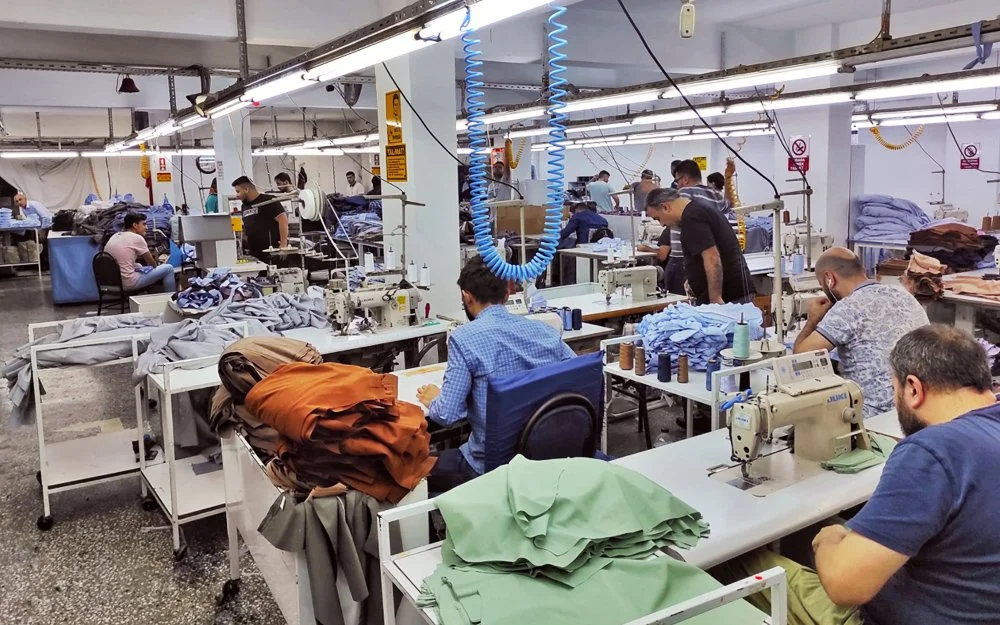
Sartello Shirt Production Factory - 2018
One of the most common mistakes brands make when sourcing from Turkey for the first time is underestimating how long production actually takes. Not because Turkish factories are slow — they're not. But because the full timeline, from first contact to goods arriving at your warehouse, involves more stages than most buyers initially account for.
Getting this right is a planning question as much as a production question. Miss your window by four weeks and your autumn collection arrives in November. Plan correctly and you're on shelf when your customers are ready to buy.
Here's a realistic breakdown of what to expect.
The Full Timeline at a Glance
A typical first-order production run — from initial contact to ex-factory — runs between 12 and 16 weeks. Repeat orders with approved samples on file can move significantly faster. Here's how that breaks down:
Weeks 1-2: Initial contact, tech pack review, and quote You send your tech pack or reference garment. The factory reviews, asks questions, and comes back with a quote and fabric recommendations. Allow a week for this exchange, sometimes two if there are multiple rounds of clarification.
Weeks 2-4: Fabric sourcing and proto sample Once you've confirmed the quote and paid any required deposit, the factory sources fabric and begins the first sample. For fabrics available from domestic Turkish mills — poplin, twill, Oxford, flannel, linen — this stage moves quickly. Imported or specialty fabrics add time.
Weeks 4-6: Sample review and feedback The proto sample arrives. You review it, send feedback, and the factory makes corrections. For brands with clear specs and decisive feedback, one round of corrections is often enough. Budget for two.
Weeks 6-8: Fit sample and final approval The corrected sample is made in final fabric and trims. This is the sample you approve for bulk. Once you sign off, production begins.
Weeks 8-13: Bulk production Actual production time varies by order complexity and factory capacity. Simple shirt styles in a single fabric run faster. Complex constructions — French seams, floating interlining, intricate collar work — take longer. A typical order of 300-600 pieces in a standard dress shirt construction runs 4-5 weeks in production.
Weeks 13-14: QC and shipment preparation Final quality control, folding, packaging, labelling, and carton preparation before the goods leave the factory.
Sea vs. Air Freight
From Istanbul to major European ports — Rotterdam, Hamburg, Felixstowe — sea freight takes 5-8 days. Add customs clearance and inland delivery and you're looking at 10-14 days from ex-factory to your warehouse.
Air freight cuts this to 3-5 days door-to-door but at significantly higher cost. For most seasonal collections, sea freight is the right call if your timeline is planned correctly. Air freight is a rescue option, not a strategy.
For UK buyers, Turkey's proximity is a genuine advantage over Asian sourcing. A 10-day sea transit versus 25-35 days from Bangladesh or China makes a real difference when managing tight retail windows or responding to in-season demand.
What Affects Lead Times
Fabric availability. Domestic Turkish fabrics — poplin, Oxford, twill, flannel — are readily available and don't significantly extend the timeline. If you're requesting a specialty fabric that needs to be imported or custom-milled, add 3-4 weeks minimum.
Sample approval speed. The factory can't move to bulk until you approve the sample. Slow feedback on your end extends the timeline directly. Brands that review samples within 48-72 hours and provide written, specific feedback move faster than those who take two weeks to respond and send vague comments.
Order complexity. A straightforward poplin dress shirt in two colours is faster than a shirt with custom embroidery, special buttons, and a complex collar construction. The more moving parts, the more time each needs.
Factory capacity. Established factories plan their production schedules weeks in advance. If you're approaching a factory in October for a November delivery, you're likely asking them to fit you into a schedule that's already full. Build relationships with factories before you need them urgently.
Seasonal peaks. Turkish shirt factories are typically busiest in the January-March window (spring/summer production) and June-August window (autumn/winter production). If your order falls in these periods, confirm capacity early.
Planning Your Collection Calendar
Working backwards from your required in-store date:
Spring/Summer collection (in-store March-April):
Ex-factory by mid-February at the latest
Bulk production start: early January
Sample approval: December
First contact and tech pack submission: October-November
Autumn/Winter collection (in-store August-September):
Ex-factory by late July
Bulk production start: early June
Sample approval: May
First contact and tech pack submission: March-April
These timelines assume a clean sampling process. Add 2-3 weeks buffer for any complications — fabric delays, an additional sample round, or public holidays (Turkish national holidays in April and October can affect factory schedules by a few days).
Repeat Orders Move Faster
Once you have an approved sample on file and an established relationship with a factory, lead times compress significantly. There's no tech pack review, no proto sample, and no fit sample — just a fabric and trims confirmation and then straight into bulk. Repeat order timelines typically run 6-8 weeks from order confirmation to ex-factory.
This is one of the real advantages of building a long-term manufacturing relationship rather than treating each order as a one-off. Factories also prioritise capacity for repeat customers — which matters when you're competing for production slots in a busy season. Our post on wholesale shirt production in Turkey covers how established production relationships typically work in practice.
A Note on "Rush" Orders
Every brand occasionally needs something faster than the standard timeline. Turkish factories can sometimes accommodate rush production — particularly for repeat styles in fabrics already on hand — but this comes at a cost: either a premium on the CMT price, or a trade-off on another order's priority.
If you regularly find yourself needing rush production, the problem is usually in your planning calendar, not your factory's capacity. The solution is to build more buffer into your seasonal schedule and develop a clearer forward order plan with your manufacturer.
Zusammenarbeit mit Sartello
Sartello is an Istanbul-based shirt manufacturer with 30 years of production experience, working with established European and international brands on seasonal shirt programmes. Our standard lead times align with the framework above, and we're transparent about capacity and scheduling from the first conversation.
If you're planning a production run and want to talk through timelines and feasibility, get in touch through our contact page. We respond to all enquiries within 2 business days.
